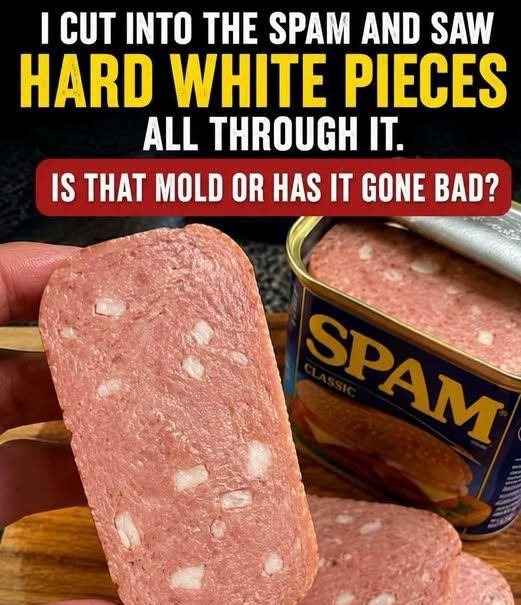
Have you ever cracked open a fresh can of luncheon meat, looking forward to a quick and delicious meal, only to stop dead in your tracks? That is exactly what happened to me not too long ago. I cut open a can of Spam recently and immediately noticed white lumps scattered throughout the meat. My first thought? Is this mold? I stood there, fork in hand, questioning whether I’d just ruined my lunch.
It is a completely normal reaction to hesitate when something looks unexpected. If you’ve ever opened a can of processed meat, spotted unfamiliar white specks, and felt a flicker of panic—you’re not alone. Thousands of home cooks have looked at those tiny white dots and wondered if their food was still safe to eat.
Let’s replace uncertainty with clarity. Here’s exactly what those white bits are, why they’re there, and how to tell the difference between harmless fat and something that actually warrants concern.
“What’s Inside Spam, Anyway?”
To understand what those little pale spots are, it helps to take a step back and look at the simple recipe behind this iconic pantry staple. Before addressing the white lumps, it helps to understand what Spam is made of. Spam is a pre-cooked, canned meat product created by combining just a few basic ingredients:
see more next page ⬇️⬇️
For Complete Cooking STEPS Please Head On Over To Next Page Or Open button (>)

Sugar Free Condensed Milk 3 Ingredients

Most People Don’t Realize This, but the Color of Chicken Actually Tells You a Lot
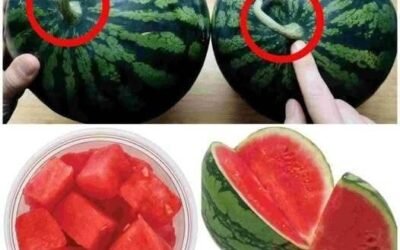
How to Pick a Perfectly Sweet Watermelon: Easy Tips at a Glance

Caramel Cream Cake

Pour evaporated milk over beef round steak, with 2 other ingredients, into slow cooker for a rich pasta meal that disappears faster than anything else I make