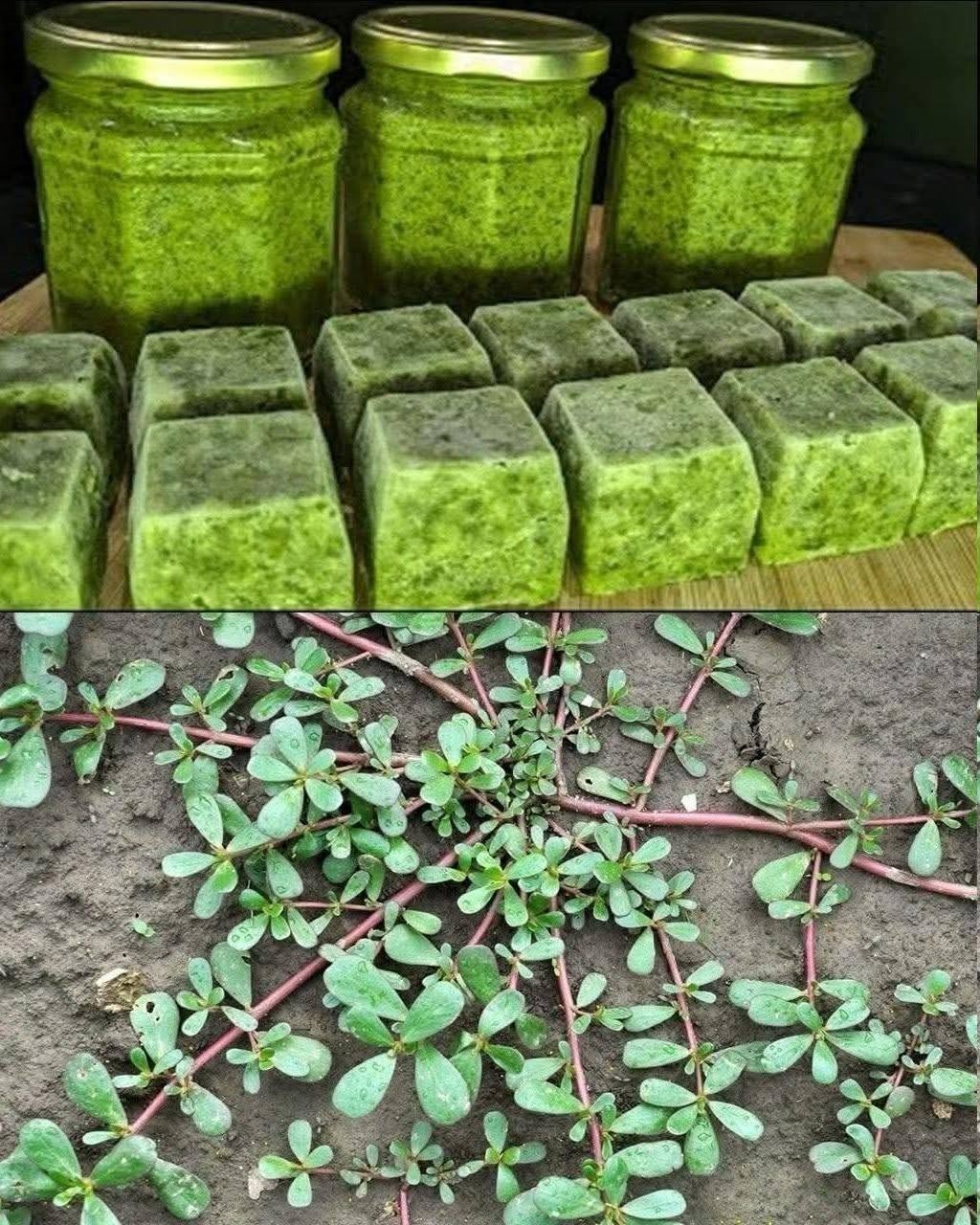
⚠️ Important Precautions & Oxalate Management
-
Kidney Stone Awareness: Like spinach and Swiss chard, purslane contains moderate-to-high levels of dietary oxalates (oxalic acid). Individuals with a history of calcium-oxalate kidney stones should boil or blanch purslane (discarding the cooking water) or pair raw purslane with calcium-rich foods like yogurt or feta cheese to bind oxalates in the gut before absorption.
-
Foraging Safety: If harvesting wild purslane, confirm accurate botanical identification to avoid toxic look-alikes such as hairy spurge (Euphorbia maculata), which secretes a milky white sap when broken (purslane produces clear moisture). Never harvest from roadside areas treated with herbicides or chemical runoff.
For Complete Cooking STEPS Please Head On Over To Next Page Or Open button (>)
Sugar Free Condensed Milk 3 Ingredients

Most People Don’t Realize This, but the Color of Chicken Actually Tells You a Lot
How to Pick a Perfectly Sweet Watermelon: Easy Tips at a Glance

Caramel Cream Cake

Pour evaporated milk over beef round steak, with 2 other ingredients, into slow cooker for a rich pasta meal that disappears faster than anything else I make