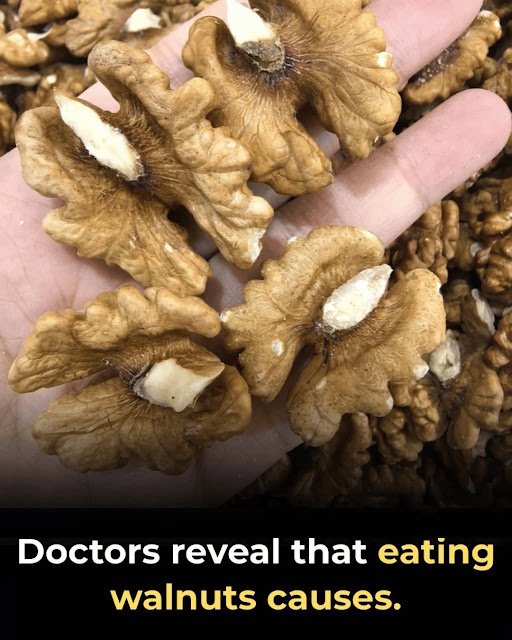
In fact, changing how you use them can make the habit easier to maintain.
The Bigger Picture
The biggest mistake people make with nutrition is searching for one food that will solve everything.
There isn’t one.
Walnuts aren’t a miracle cure.
Neither are blueberries, spinach, oats, olive oil, green tea, or any other trendy “superfood.”
Health is built from patterns.
What you eat most days matters.
How much you eat matters.
Your physical activity matters.
Sleep matters.
Stress matters.
Smoking and alcohol habits matter.
Medical care matters.
Genetics matter.
Walnuts can contribute to that bigger picture, but they cannot replace it.
Think of your diet as a team.
Walnuts are one player.
They may be a very useful player, but they aren’t the entire team.
So, What Really Happens When You Eat Walnuts Every Day?
If you eat a modest amount of walnuts every day as part of a balanced diet, you aren’t likely to wake up one morning with a completely transformed body.
Real nutrition doesn’t usually work that way.
Instead, you’re consistently giving your body a package of healthy unsaturated fats, ALA omega-3 fatty acid, fiber, minerals, protein, and plant compounds.
Over time, replacing less nutritious foods with walnuts may contribute to a healthier dietary pattern.
Your heart may benefit from that pattern.
Your diet may become more filling.
Your gut receives additional fiber and plant compounds.
Your meals become more nutrient-dense.
And you’re developing a simple habit that can be maintained for years rather than days.
That’s the real power of walnuts.
Not a miracle.
Not a detox.
Not a shortcut.
Just a small, nutritious food that can make a healthy diet a little better.
And sometimes, those small choices are the ones that matter most.
Final Thought
The next time you see a headline promising that eating one food every day will “change your body forever,” be skeptical.
Healthy eating is rarely about dramatic transformations.
It’s about what you consistently put on your plate.
A small handful of walnuts won’t erase an unhealthy diet.
But when combined with vegetables, fruits, whole grains, legumes, quality protein, regular physical activity, adequate sleep, and other healthy habits, walnuts can be a simple and delicious addition.
So if you enjoy them, go ahead and make them part of your routine.
Eat them with breakfast.
Keep a small portion nearby for an afternoon snack.
Add them to your salad.
Mix them with yogurt and fruit.
Just remember the most important rule:
You don’t need to eat more walnuts. You need to eat them wisely.
A handful can be enough.
And sometimes, good health really does begin with something as simple as what’s in your hand.
For Complete Cooking STEPS Please Head On Over To Next Page Or Open button (>)