
One of the more unusual features of purslane is that it contains alpha-linolenic acid (ALA), an omega-3 fatty acid.
ALA is an essential fatty acid, meaning the body cannot make enough of it on its own and must obtain it from food.
Purslane is therefore an interesting plant-based source of ALA.
3. It’s Full of Antioxidant Compounds
Purslane contains various plant compounds with antioxidant activity.
Antioxidants help protect cells from oxidative damage caused by reactive molecules produced naturally in the body.
That doesn’t mean eating purslane will prevent disease on its own, but it is another reason the plant can be part of a varied diet.
4. It Can Be Added to Everyday Meals
You don’t need complicated recipes to use purslane.
The tender leaves and stems can be:
Added to salads
Mixed into soups
Cooked with vegetables
Added to sandwiches
Used in stews
Prepared as a cooked green
see more next page ⬇️⬇️
For Complete Cooking STEPS Please Head On Over To Next Page Or Open button (>)
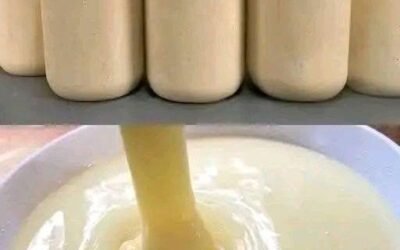
Sugar Free Condensed Milk 3 Ingredients

Most People Don’t Realize This, but the Color of Chicken Actually Tells You a Lot
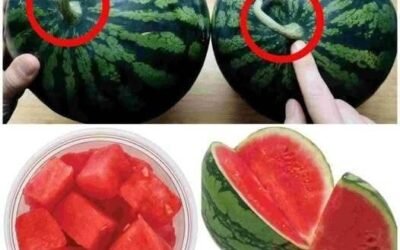
How to Pick a Perfectly Sweet Watermelon: Easy Tips at a Glance

Caramel Cream Cake

Pour evaporated milk over beef round steak, with 2 other ingredients, into slow cooker for a rich pasta meal that disappears faster than anything else I make